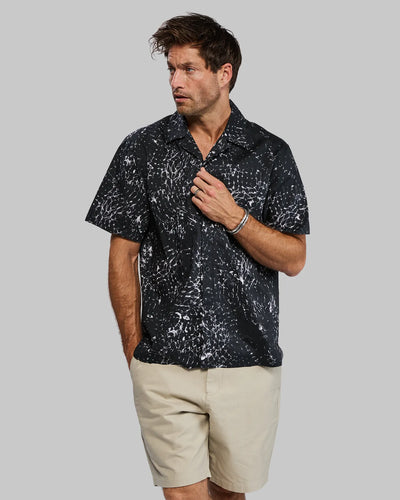
Cymatic Shirt
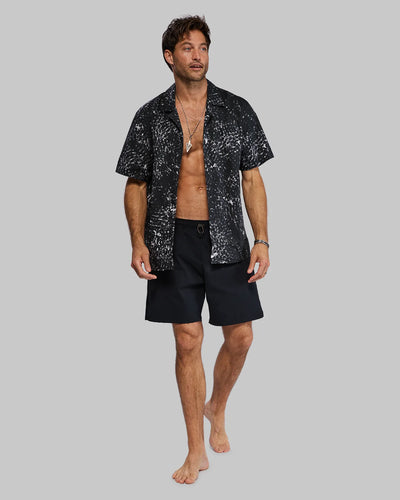
A bowling shirt that’s a bit more like The Big Bang than The Big Lebowski.
- Printed with cymatic patterns captured in 6K resolution
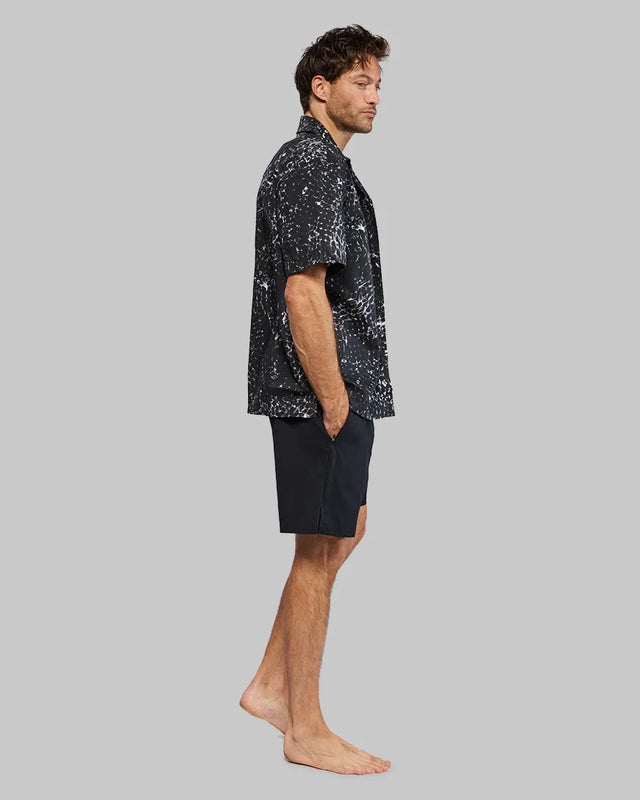
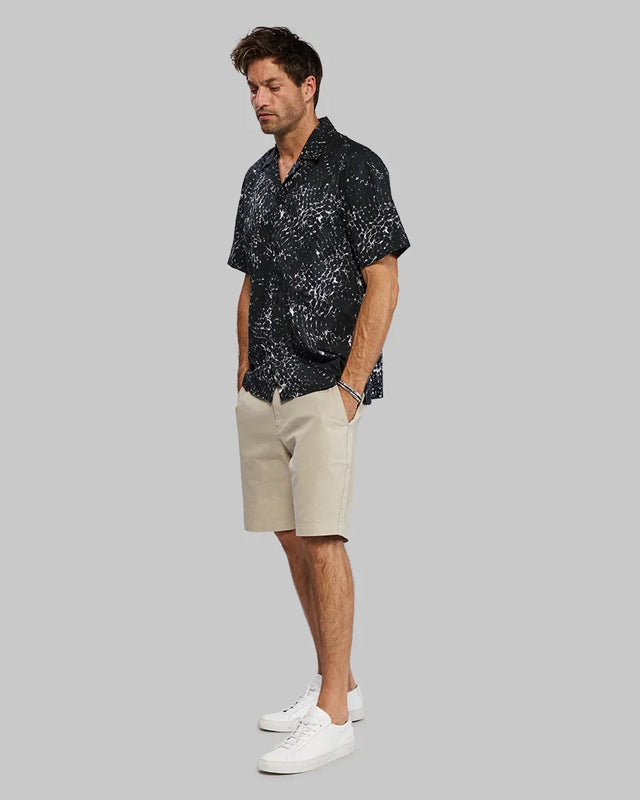
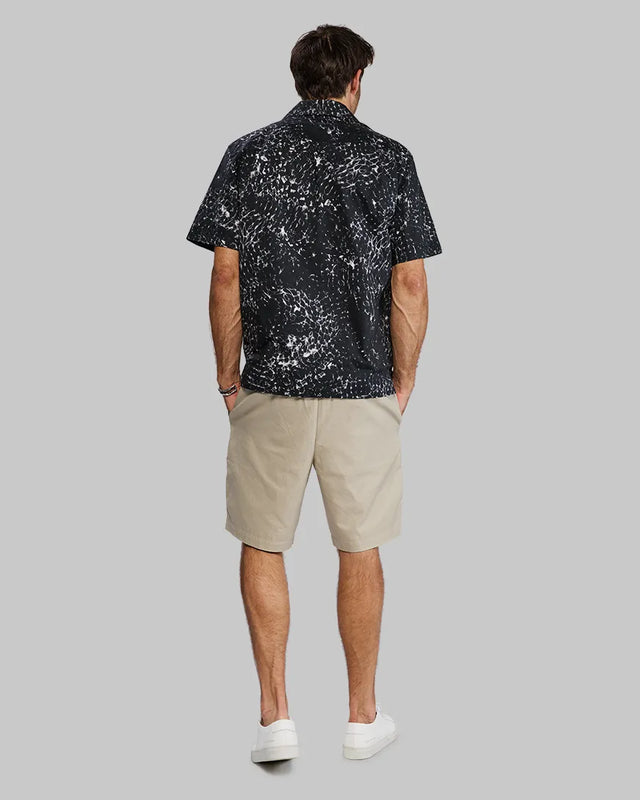
- Relaxed fit for unrestricted movement
- Minimalist exterior with hidden technical detailing
In 1942 Nikola Tesla told a friend that, "if you want to find the secrets of the universe, think in terms of energy, frequency and vibration." What he forgot to say is that “it might also look really cool on a shirt.”
The term ‘cymatics’ was first coined by Swiss physician Hans Jenny to describe the science of visible sound. Using oscillators to vibrate plates coated with powders, pastes and liquids, he revealed that different frequencies could generate complex, repeating patterns – often resembling the structures found in nature. His experiments proved that sound is not just something we hear, but a force capable of shaping matter into organised, harmonious structures.
Today we’ve brought this invisible architecture of sound to clothing, just like Nikola Tesla would have wanted. We’ve worked with experimental filmmaker Josef Gatti who works with water and oil to capture the pulsating patterns created by sound waves and harmonic resonances in 6K. And we’ve used these to create two summer bowling shirts that look a bit more like The Big Bang than The Big Lebowski.
Technical Details
The invisible architecture of sound
In 1680, English scientist Robert Hooke poured a bunch of flour onto a glass plate and then vibrated the plate by running a bow across it. What he saw was the flour rearranging itself as if by magic into a series of stunningly intricate patterns that changed every time he changed the ‘note.’ In the 18th century German physicist and musician Ernst Chladni built on these experiments, using sand on metal plates and producing ‘Chladni figures’ – the first cataloguing of the physical shapes of sound.

We’ve brought the invisible architecture of sound to clothing. Just like Nikola Tesla would have wanted.
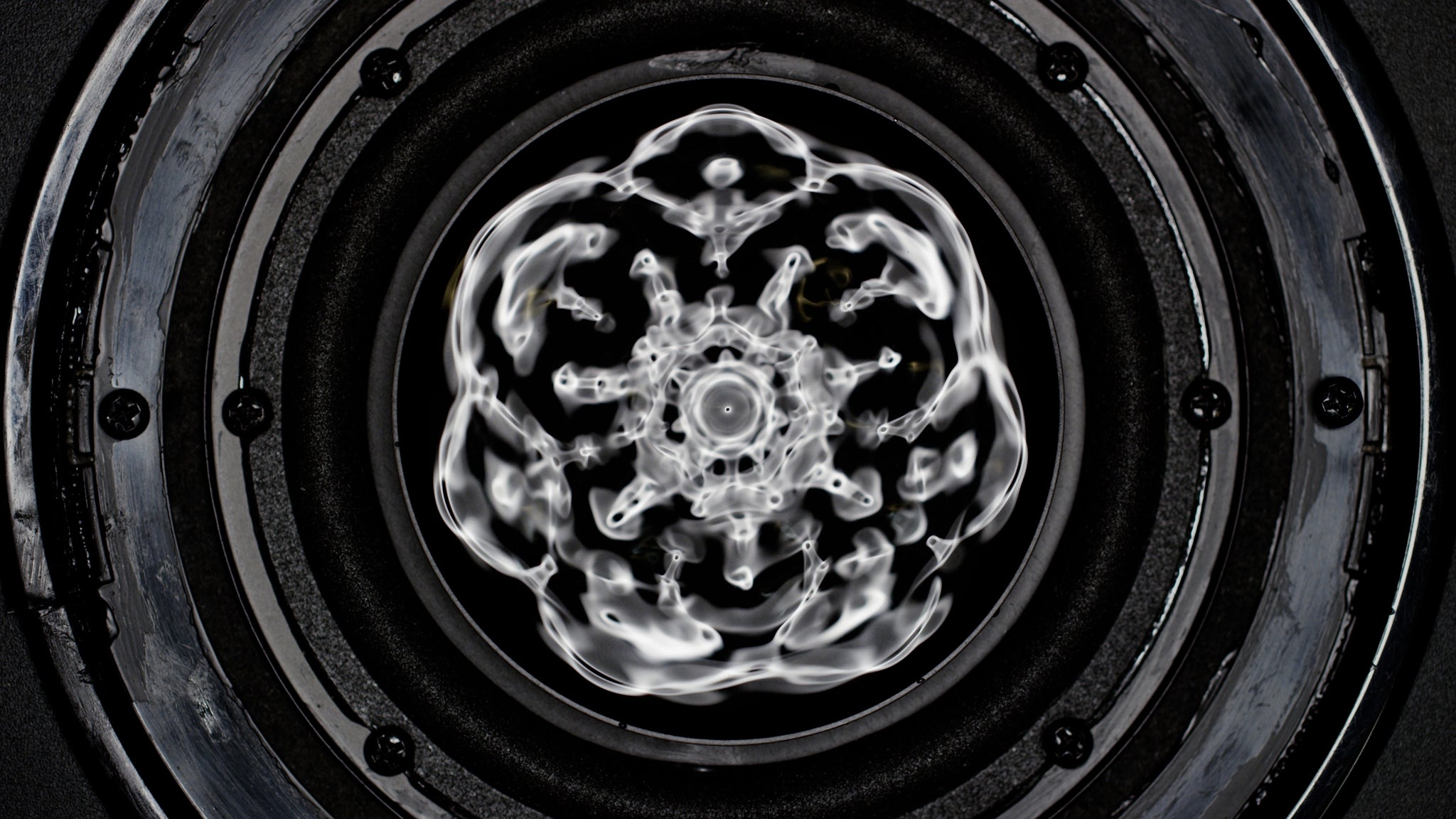
We used the universal art of cymatics to create bowling shirts that look a bit more like The Big Bang than The Big Lebowski.
Capturing cosmic structure in 6K
Josef Gatti, an Australian filmmaker, started experimenting with cymatics in 2016, intrigued by the wave forms he could create with water and a sub-woofer. He turned his skills, and the best film-making tools, to capturing the way sound can re-order matter into complex, repeating patterns. Each visualisation took hours of experimentation, and he filmed the results in stunning 6K. Working with Gatti, we captured stills from two of his cymatics sequences and turned them into mesmerising prints.
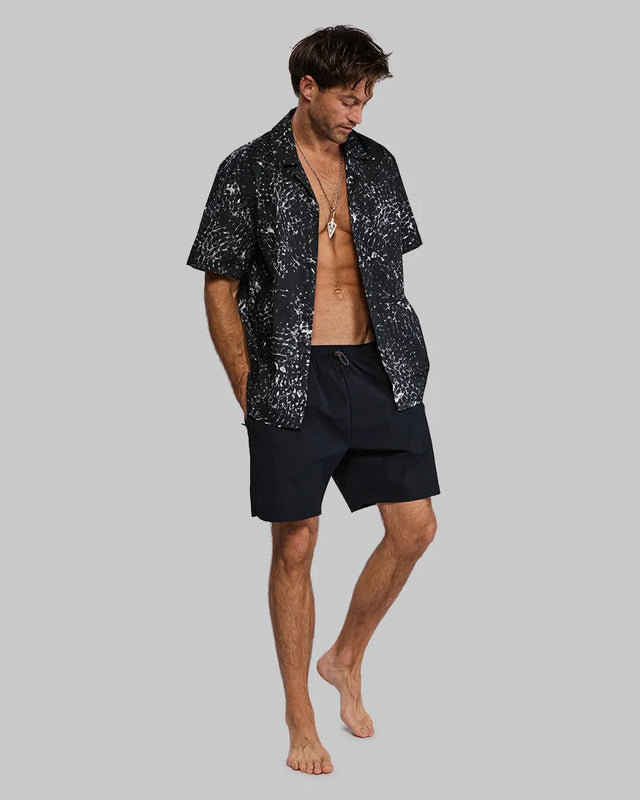
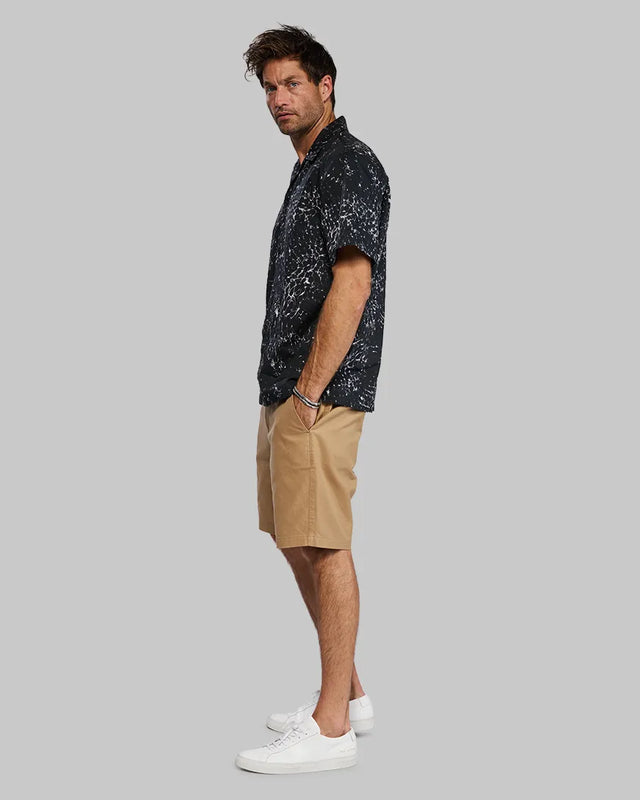

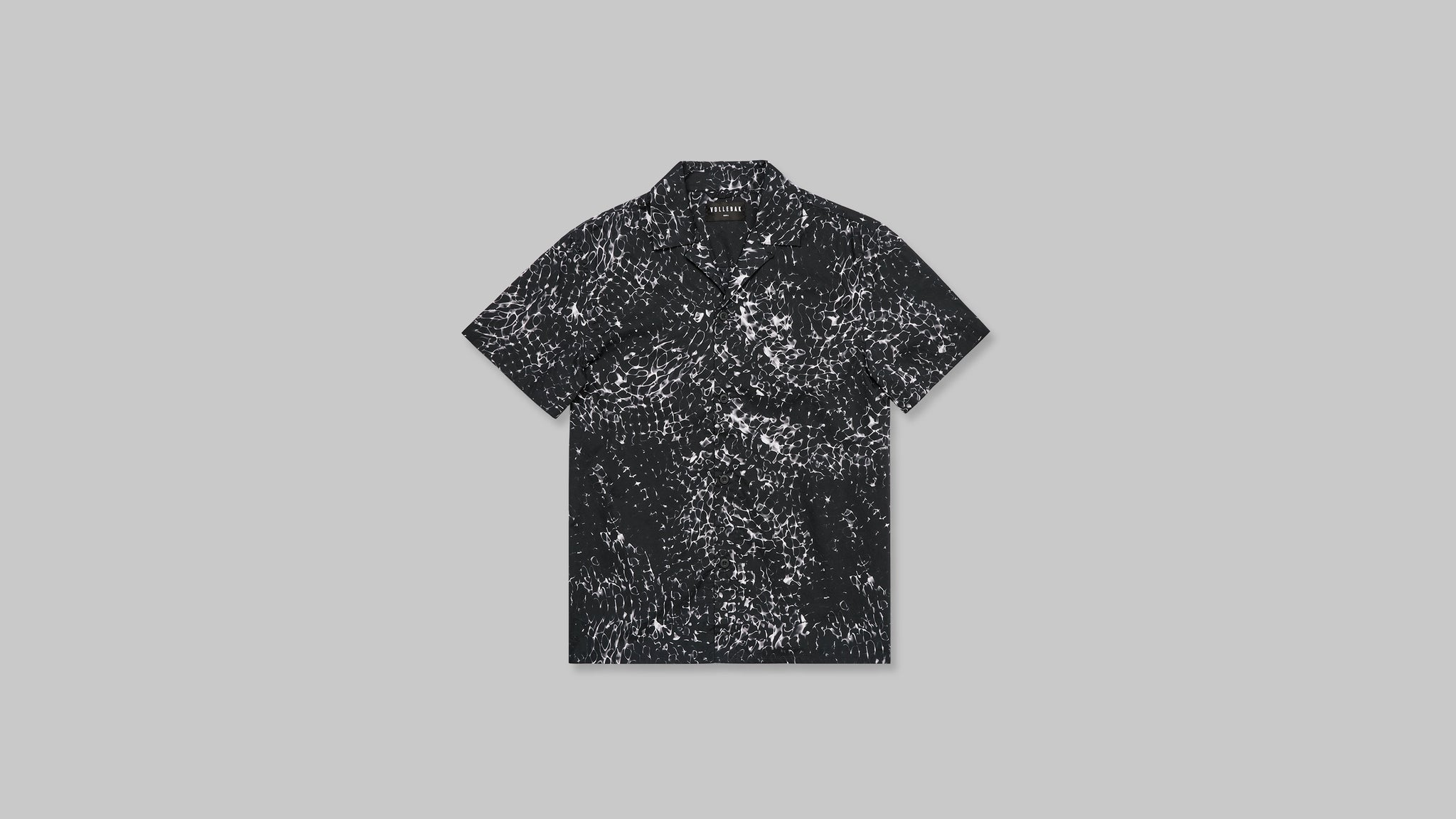
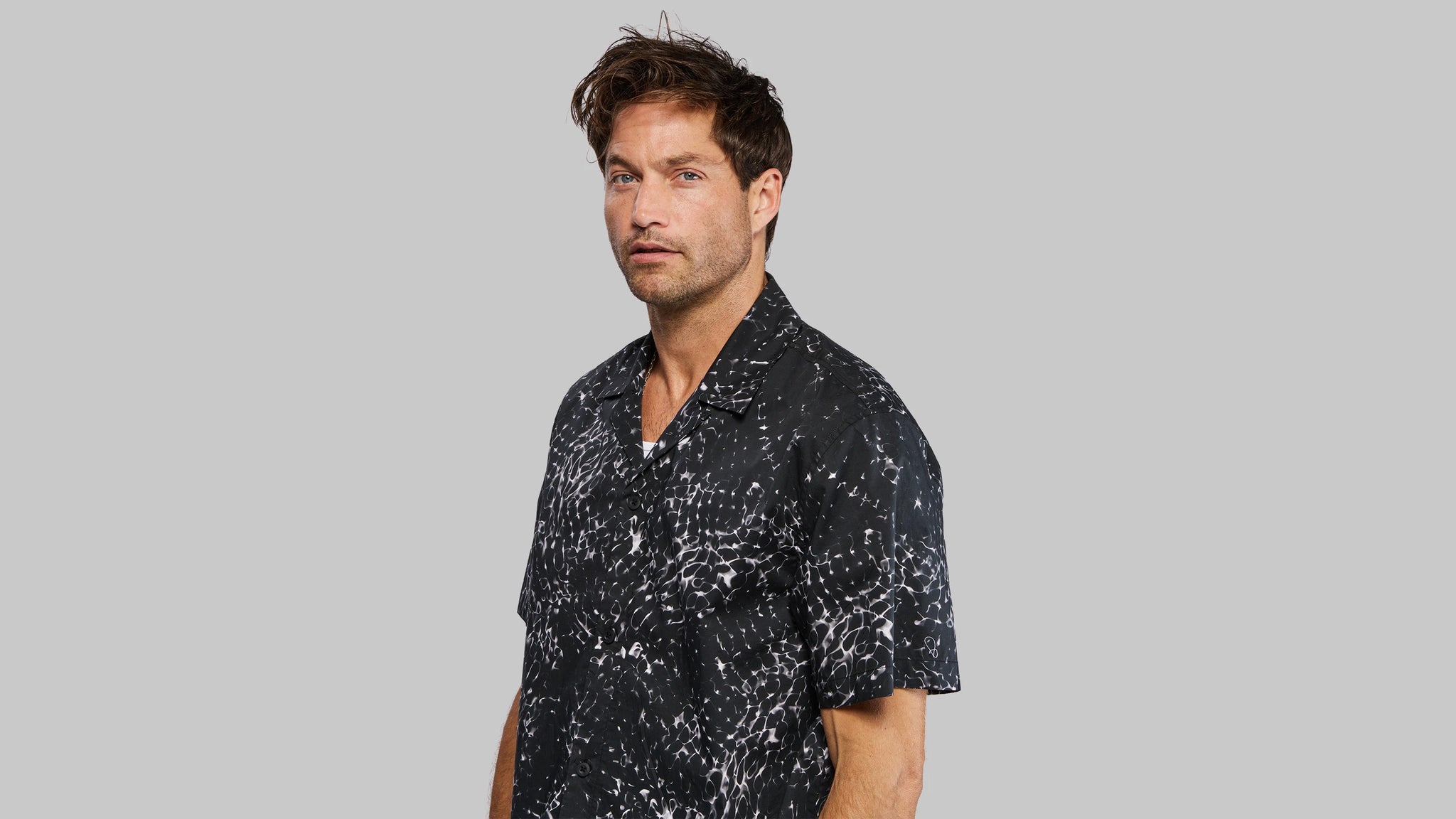
We turned 6K footage of sound waves shaping matter into prints. Then put them on a classic bowling shirt for summer.
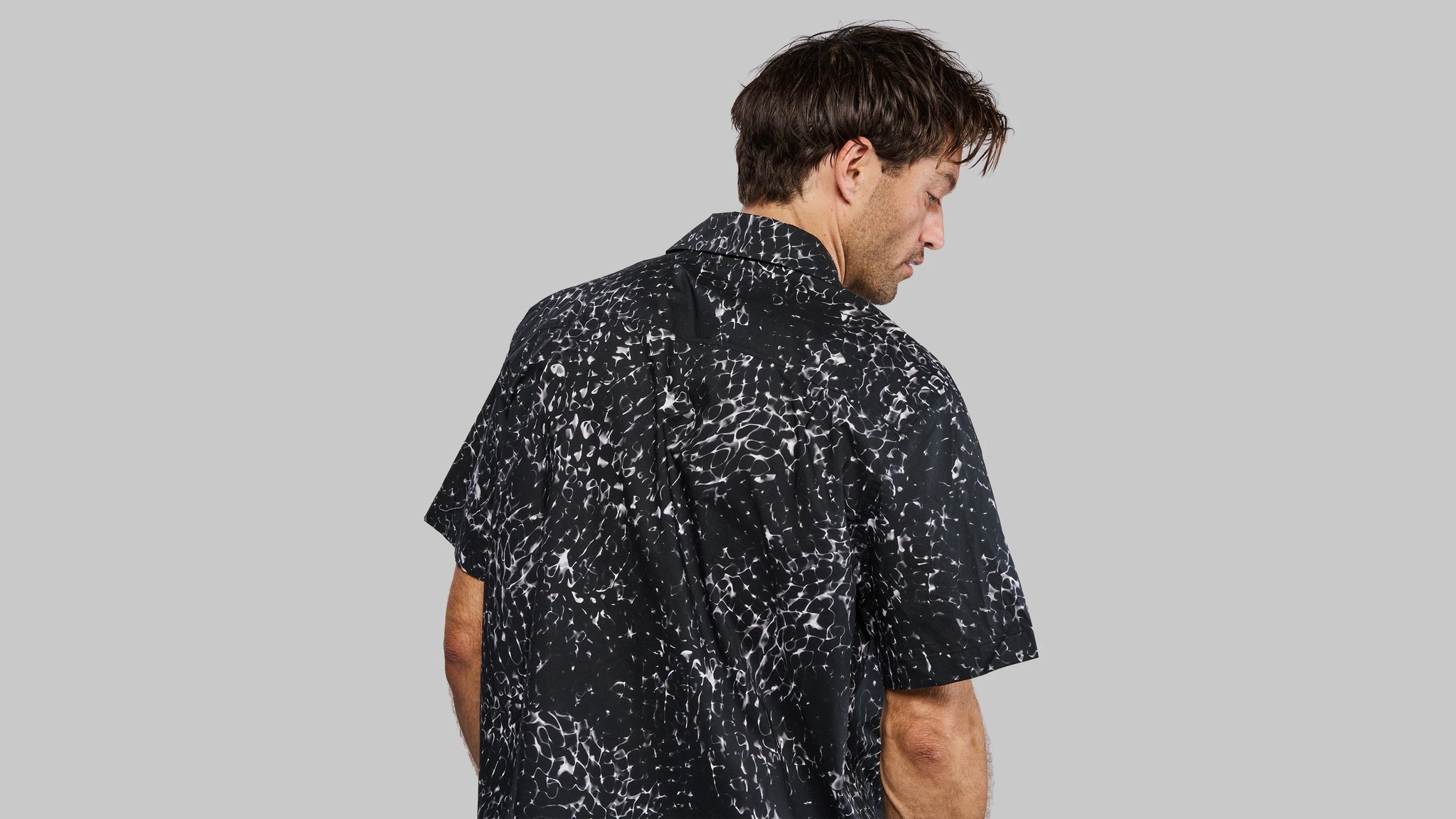
Minimalist design for summer
A relaxed fit is paired with double-turned and stitched hems, French-seamed insides, and reinforced side slits built to handle constant motion. Two pleats at the back yoke allow extra reach across the shoulders, while the lightweight cotton keeps airflow high even when the heat kicks in. A concealed collar button locks the collar neatly in place, and shaped internal facings keep the inside clean and strong. It's the structure of the original bowling shirt but re-engineered for summer.

Size + Fit
The Cymatic Shirt has a regular but boxy fit.
| Size | XS | S | M | L | XL | XXL |
| Fits chest | 83 - 90 | 91 - 98 | 99 - 106 | 107 - 114 | 115 - 122 | 123 - 130 |
| Fits waist | 71 - 76 | 76 - 81 | 81 - 86 | 86 - 91 | 91 - 96 | 96 - 101 |
| Size | XS | S | M | L | XL | XXL |
| Fits chest | 33 - 36 | 36 - 39 | 39 - 42 | 42 - 45 | 45 - 48 | 48 - 51 |
| Fits waist | 28 - 30 | 30 - 32 | 32 - 34 | 34 - 36 | 36 - 38 | 38 - 40 |